
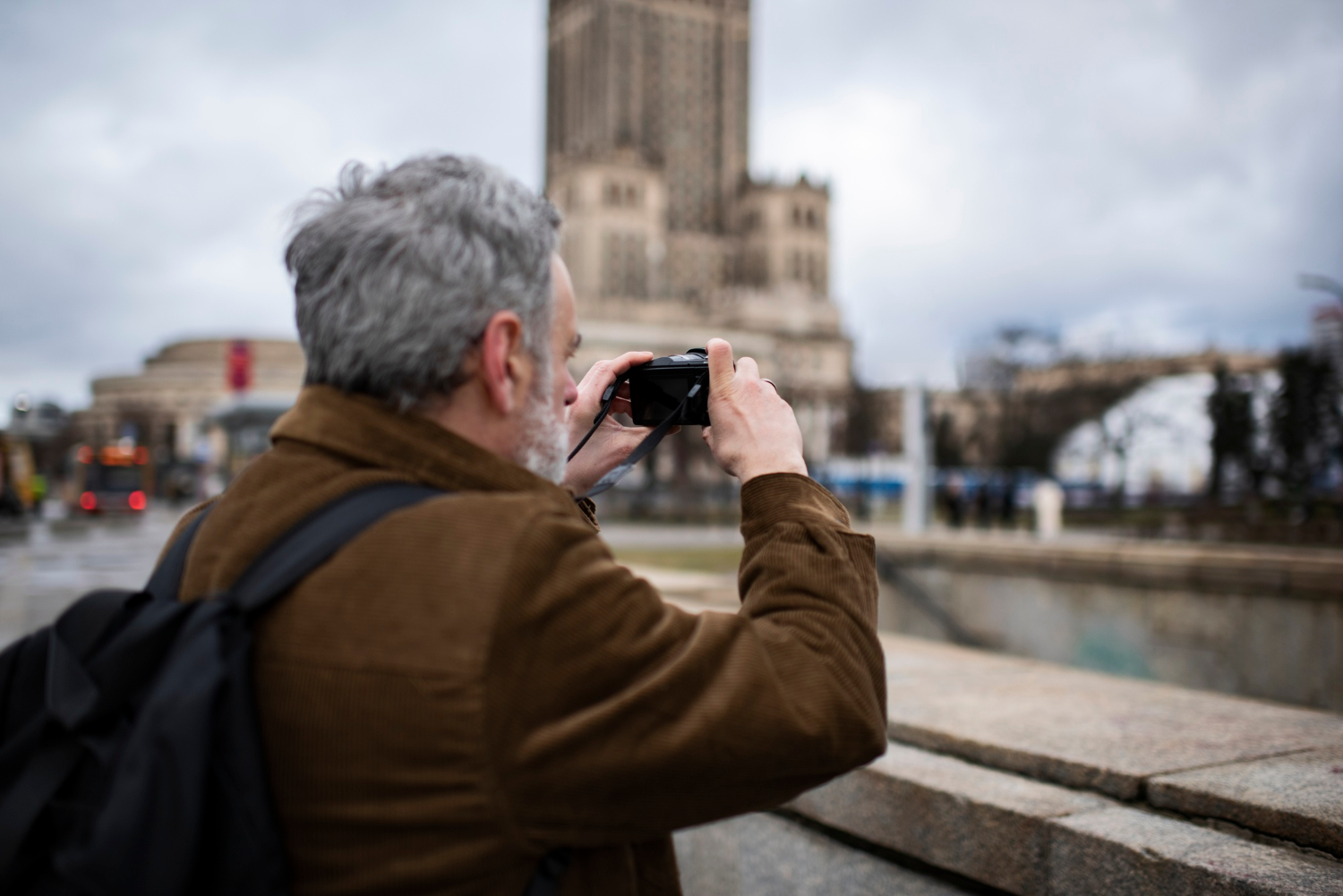
Travel used to feel like discovery. Now it often feels like déjà vu. Thanks to social media, viral videos, and endless destination guides, many places feel familiar before we ever arrive. We know the angles, the poses, and the exact moment the sunset hits just right. While this access has made travel easier than ever, it’s also changed how we experience it. In the age of overexposure, travelers are quietly craving something different: moments that feel real, personal, and not designed for an audience.
When Every Destination Feels Pre-Visited
Scrolling through travel content can make the world feel smaller. You’ve already “seen” the beach, the resort, the city streets, and even the cocktail menu before you pack your bags. While this can build excitement, it can also dull the sense of wonder. When everything is documented, the challenge becomes finding moments that still feel surprising. Travelers are beginning to value how a place makes them feel rather than how it looks on a screen.
Curated Travel Versus Connected Travel
Not all planning is bad, but hyper-curated travel can leave little room for spontaneity. When every hour is planned and every activity pre-approved by algorithms, there’s less space for organic experiences. Experienced Sandals Travel Agent can help travelers strike a balance, offering guidance and structure while still allowing room for personal moments that aren’t dictated by trends or timelines.
The Pressure to Perform While Traveling
Overexposure has turned some trips into performances. There’s an unspoken pressure to capture the perfect shot, share constant updates, and prove the experience was worth it. This can pull people out of the moment, replacing presence with production. Many travelers are now intentionally putting the phone down, choosing to experience places privately instead of through a lens. The shift isn’t about rejecting technology, but about using it less during moments that matter most.
Why Privacy Has Become Part of Luxury
Luxury travel has changed alongside exposure. It’s no longer just about high-end amenities or exclusive locations. Privacy has become a major part of the appeal. Travelers want spaces where they don’t feel watched, rushed, or compared. Secluded beaches, private dining, and low-key environments offer relief from constant visibility. In a world where everything is shared, being able to enjoy something quietly feels indulgent.
Rediscovering the Joy of Being Unseen
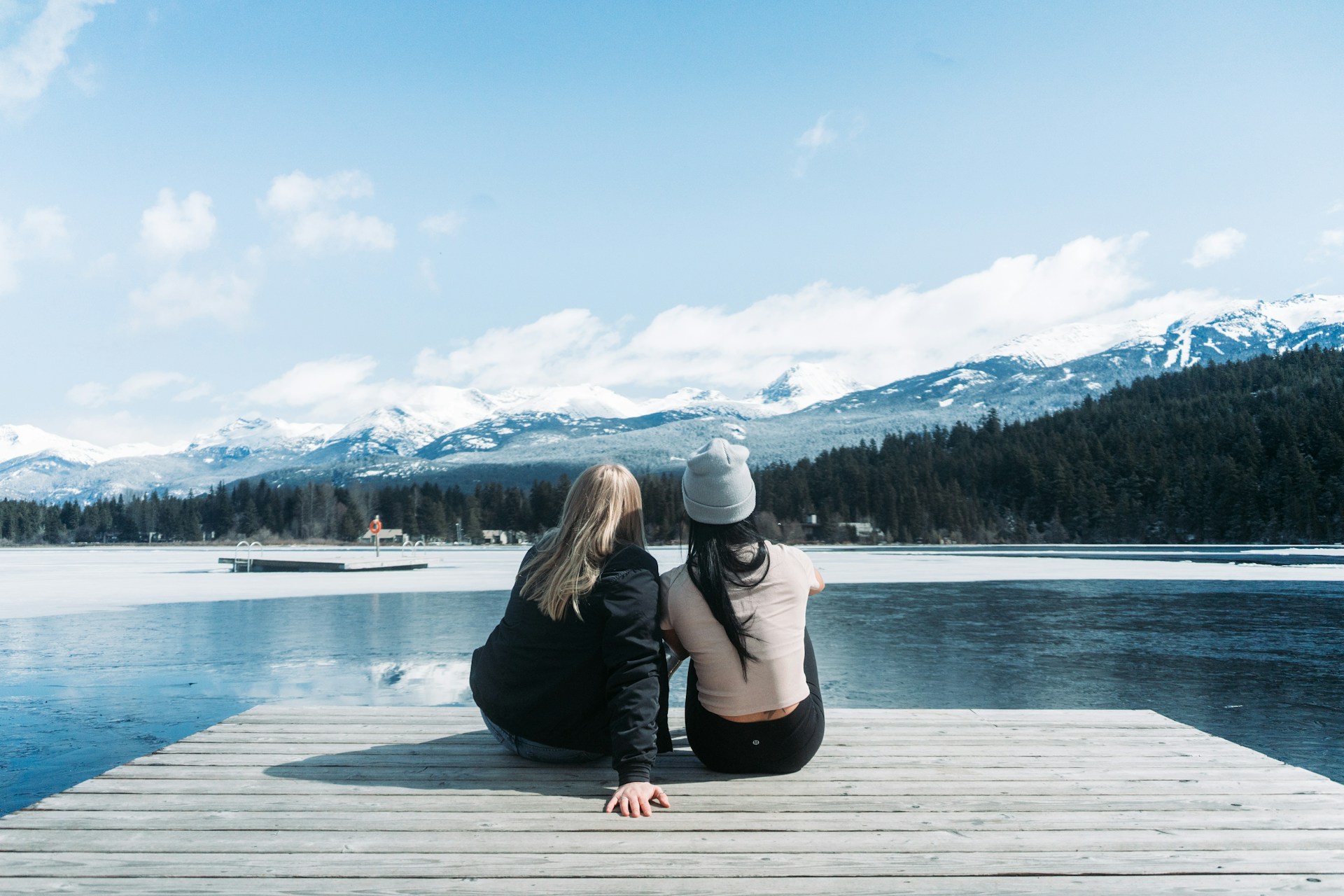
There’s something freeing about traveling without documenting every second. When no one else is watching, experiences become more honest. Conversations deepen, silence feels comfortable, and small moments take on more meaning. These are often the memories that last the longest, even though they never make it online. Being unseen allows travelers to reconnect not just with a place, but with themselves and the people they’re traveling with.
Travel as a Personal Story Again
As overexposure peaks, travel is slowly becoming more personal again. People are choosing destinations and experiences based on emotional connection rather than popularity. The question is shifting from “Is this trending?” to “Is this right for me?” That mindset change brings back the original magic of travel: curiosity, presence, and discovery without an audience.
Travel in the age of overexposure doesn’t have to feel hollow or repetitive. While the world may be more visible than ever, meaningful experiences are still possible for those willing to travel differently. By prioritizing connection, privacy, and presence over performance, travelers can reclaim the joy of discovery. In the end, the most unforgettable journeys aren’t the ones that get the most attention, but the ones that feel truly your own.

 The house was occupied after staging, but luckily I was able to snap a few photos on the way. Billy lived in this house from the age of nine until he went off to college. Both houses were located on his dairy farm on Park Road, four miles north of what is now the Billy Graham Library. This latest residence had indoor pipes, and they no longer ought to soak in a tub on the rear balcony. Billy’s parents remained in this home until their death. The living room were designed by Mother Graham.
 Walking along the brick road, which is shaped like a cross, you reach the quiet place, which is located at the edge of the woods. George Beverly Shea and Cliff Barrows, who were members of the Crusade team, asked to be buried with their friends in a place a short distance away. There was hand sanitizer on the fence for anyone who wanted it.
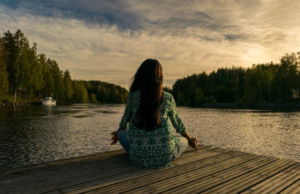 An essential element of recharging your batteries during vacations is to remove yourself from work. It’s not enough to physically leave the office. You also might need to detach yourself from the workplace mentally. It is called psychological detachment. If you’re constantly looking at your phone to see what’s going on at work, you’re not emotionally detached. If you’re checking your email three times a day, you’re not emotionally detached.
 It would help if you had a general idea of where you’re going before traveling there. This will help you know what to expect and how to prepare for your trip. It’s also essential to research your destination to be aware of any potential dangers. The best way to learn about a new destination is to read travel blogs or websites like
 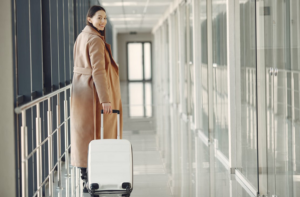 It is wise to get travel insurance before you leave on your trip in case of any unforeseen events. This is especially important if you are traveling to a country with a higher risk of natural disasters or political instability. Travel insurance can cover lost luggage, medical emergencies, and cancellations.
 Resist the urge even though you may be tempted to pack everything but the kitchen sink. You don’t need five pairs of shoes and three different types of sunscreen. Packing light will make your trip easier, and it will also make it more enjoyable. You’ll be able to move around more easily and won’t have to worry about lugging around a heavy suitcase.